

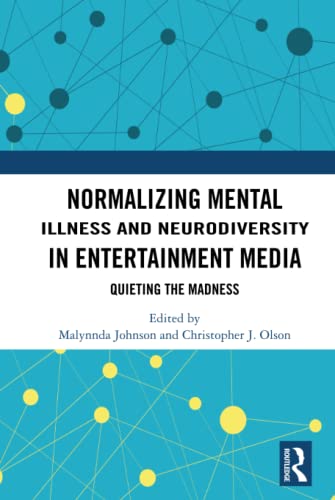
Normalizing Mental Illness and Neurodiversity in Entertainment Media Quieting the Madness 1st Edition by Malynnda Johnson ISBN 1000377407 9781000377408


Original price was: $50.00.$35.00Current price is: $35.00.
Normalizing Mental Illness and Neurodiversity in Entertainment Media: Quieting the Madness 1st Edition by Malynnda Johnson – Ebook PDF Instant Download/Delivery: 1000377407, 9781000377408
Full download Normalizing Mental Illness and Neurodiversity in Entertainment Media: Quieting the Madness 1st Edition after payment
Product details:
ISBN 10: 1000377407
ISBN 13: 9781000377408
Author: Malynnda Johnson
Normalizing Mental Illness and Neurodiversity in Entertainment Media: Quieting the Madness 1st Edition: This volume examines the shift toward positive and more accurate portrayals of mental illness in entertainment media, asking where these succeed and considering where more needs to be done. With studies that identify and analyze the characters, viewpoints, and experiences of mental illness across film and television, it considers the messages conveyed about mental illness and reflects on how the different texts reflect, reinforce, or challenge sociocultural notions regarding mental illness. Presenting chapters that explore a range of texts from film and television, covering a variety of mental health conditions, including autism, post-traumatic stress disorder (PTSD), depression, and more, this book will appeal to scholars of sociology, cultural and media studies, and mental health.
Normalizing Mental Illness and Neurodiversity in Entertainment Media: Quieting the Madness 1st Edition Table of contents:
1 Introduction: why depictions of mental illness matter
2 “Remember what Dr. Lopez said”: portrayals of mental health care in Nickelodeon’s The Loud House
3 “And I suffer from short-term memory loss”: understanding presentations of mental health in Pixar’s Finding Nemo and Finding Dory through communication theory of identity
4 Family narratives and mental illness in This Is Us
5 Cognitive differences in Star Trek: the case and evolution of Reginald Barclay
6 Popular culture and the (mis)representation of Asperger’s: a study on the sitcoms Community and The Big Bang Theory
7 Psychopath, sociopath, or autistic: labeling and framing the brilliance of Sherlock Holmes
8 When Saga Norén meets neurotypicality: a liminal encounter along The Bridge
9 The girl on the swing: an analysis of cues and depression in Joe Wright’s Pride and Prejudice (2005)
10 Depictions of depression and eating disorders in My Mad Fat Diary
11 “Portraying real feelings with comedy on top”: postpartum depression storylines and domestic sitcoms
12 Ruby Wax: comedy, celebrity capital, and (re)presentations of mental illness
13 Post-traumatic stress disorder in the films Taxi Driver and You Were Never Really Here: a comparative progressive approach
14 Bipolar and Shameless: showtime’s portrayal of living and working with bipolar disorder
15 Wrestling with eating disorders: transmedia depictions of body issues in WWE’s women’s professional wrestling
16 Conclusion: destigmatizing mental illness and neurodiversity in entertainment media
People also search for Normalizing Mental Illness and Neurodiversity in Entertainment Media: Quieting the Madness 1st Edition:
what mental illnesses count as neurodivergent
does mental illness count as neurodivergent
what mental illnesses make you neurodivergent
neurodiversity mental illness
normalizing mental illness
normalize neurodiversity
Tags:
Malynnda Johnson,Normalizing,Mental,Illness,Neurodiversity,Entertainment,Media,Quieting,the Madness