

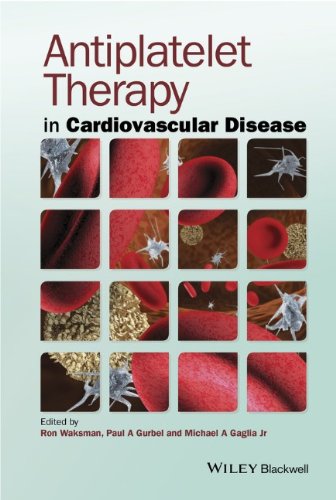
Antiplatelet Therapy in Cardiovascular Disease 1st Edition by Ron Waksman 9781118494028 1118494024

Original price was: $50.00.$35.00Current price is: $35.00.
Antiplatelet Therapy in Cardiovascular Disease 1st Edition by Ron Waksman – Ebook PDF Instant Download/Delivery: 9781118494028, 1118494024
Full download Antiplatelet Therapy in Cardiovascular Disease 1st Edition after payment
Product details:
ISBN 10: 1118494024
ISBN 13: 9781118494028
Author: Ron Waksman
Edited by a team of the world’s leading interventional cardiologists and educators, this new book is created with an eye to giving the reader a solid, practical, and clinically focused understanding of this important class of drugs, from basic science to a clear-headed discussion of complex topics such as combination therapies, drug-to-drug interactions, and resistance to antiplatelet agents. This important new book: Begins with a concise but thorough discussion of platelet biology and pathophysiology so that readers understand how antiplatelet agents work and why they produce such a varied range of complications, from minor GI upset to potentially life-threatening conditions such as neutropenia, a critical shortage of white blood cells. Thoroughly covers platelet function testing, including novel techniques. Clarifies current best practice regarding the use of antiplatelet agents in both chronic and acute cardiovascular disease. Reviews all types of antiplatelet agents – from aspirin to recently approved drugs – including indications, clinical outcomes, and side effects. Written by an international “who’s who” of experts in the field, Antiplatelet Therapy in Cardiovascular Disease also includes an entire section covering the use of antiplatelet drugs in PCIs, including percutaneous valve repair, which makes this text particularly essential to interventional cardiologists.
Antiplatelet Therapy in Cardiovascular Disease 1st Table of contents:
Cover
Title page
Copyright page
List of Contributors
Foreword
Preface
Section I: Platelet biology and Pathophysiology
1 Platelet Pathophysiology and its Role in Thrombosis
Role of platelets during initiation of atherosclerosis and plaque formation
Role of platelets in thrombosis
References
2 Platelet Receptors and Drug Targets
Structure, expression, and catalytic activity of platelet COX-1
Functional role of platelet COX-1
Genetic polymorphisms of COX-1 and COX-2 expression in platelets
Platelet COX-1 as a target for antithrombotic therapy
Interaction between aspirin and naNSAIDs at the level of platelet COX-1
In vitro andin vivo evidence for aspirin/naNSAID interaction
Concluding remarks
References
3 Platelet Receptors and Drug Targets
P2 receptors
Roles of adenine nucleotides in platelet function
P2Y12
Conclusions
References
4 Platelet Receptors and Drug Targets
Introduction
Biology of the receptor
Glycoprotein IIb/IIIa receptor in platelet physiology
Platelet aggregation phase
“Inside-out” and “outside-in” GPIIb/IIIa signaling phenomenon
Glycoprotein IIb/IIIa receptor and thrombus formation
Glycoprotein IIb/IIIa receptor antagonists
Intravenous versus oral preparations: clinical aspects
Acknowledgment
References
5 Platelet Receptors and Drug Targets
Introduction
Protease-activated receptor 1 (PAR1)
References
6 Role of Inflammation and Hypercoagulability in Thrombosis
References
Section II: Platelet Function Tests
7 Light Transmission Aggregometry
Technique
References
8 Vasodilator-Stimulated Phosphoprotein (VASP) Assay
Introduction
The VASP index assay
VASP index and clinical events
Alteration of antiplatelet therapy based on the VASP index
VASP index and new oral antiplatelet agents
Conclusions
References
9 VerifyNow P2Y12 and Plateletworks Assays
Introduction
Verifynow P2Y12
Plateletworks
Validity of the test in measuring antiplatelet effect and its association with clinical outcomes
Conclusion
References
10 Multiplate Analyzer
Historical background
Principles of the Multiplate® analyzer
Advantages
Disadvantages
Clinical studies in cardiovascular medicine
Studies in cardiovascular surgery
Consensus definitions and cutoff values concerning platelet reactivity
Summary
Acknowledgment
References
11 Shear Stress-Based Platelet Function Tests
PFA-100
IMPACT-R
References
12 Thrombelastography and Other Novel Techniques
Novel techniques
T2 magnetic resonance (T2MR)
Shear-induced platelet aggregation assays
References
Section III: Antiplatelet pharmacology
13 Aspirin
Mode of antiplatelet action
Time dependency of inhibition of platelet function by aspirin
Dose-dependent inhibition of platelet function by aspirin
Negative interactions with other drugs
Positive interactions with other drugs
Side effects of aspirin in antiplatelet doses
References
14 Cilostazol
Introduction
Mode of action of cilostazol
Vascular smooth muscle cells
Endothelial cells
Platelets
Heart
Brain cells
Lipid profiles
Pharmacokinetics
Conclusion
References
15 Abciximab
Abciximab in PCI: The EPIC, EPILOG, and EPISTENT trials
Abciximab in acute coronary syndromes: CAPTURE, RAPPORT, ADMIRAL, CADILLAC, and INFUSE-AMI trials
Head-to-head GPIIb/IIIa trial, noninferiority trials using abciximab versus bivalirudin, and the ISAR-REACT trials
Conclusions
References
16 Tirofiban
Introduction
Tirofiban
Dosing of tirofiban
Tirofiban in STEMI
Meta-analysis
References
17 Eptifibatide
Background
Dosing and efficacy
Eptifibatide use during non-ST-segment myocardial infarction
Timing of eptifibatide administration
Eptifibatide use during ST-segment myocardial infarction
Conclusions
References
18 Ticlopidine
Pharmacological properties
Pharmacodynamic profile
Genetic considerations
Clinical efficacy in patients undergoing PCI
Safety and side effects
Conclusions
References
19 Clopidogrel
Pharmacodynamic properties
Pharmacokinetic properties
Therapeutic use
References
20 Prasugrel
Introduction
Mechanism of action
Prasugrel pharmacodynamics
Clinical studies
Summary
Reference
21 Elinogrel
Introduction
Shortcomings of current therapy
Pharmacological principles of elinogrel
Phase I clinical studies
Phase II clinical studies
Conclusion
References
22 Cangrelor
Pharmacological properties
Preclinical studies and early phase clinical investigations
Drug interactions
Cangrelor in patients undergoing PCI: phase III studies
Cangrelor in patients undergoing surgery
Conclusion
References
23 Ticagrelor
Introduction
Mechanisms of action
Pharmacodynamics
Clinical studies
Summary
References
24 Thrombin Receptor Antagonists
Introduction
Protease-activated receptors (PARs) and thrombin-induced platelet activation
Thrombin receptor antagonists: pharmacokinetics and pharmacodynamics
Vorapaxar
Clinical trials of vorapaxar
Atopaxar
Future prospective of PAR-1 antagonists
References
Section IV: Percutaneous Coronary Intervention and Antiplatelet Therapy
25 Dual Antiplatelet Therapy Prior to Percutaneous Coronary Intervention
Acetylsalicylic acid
P2Y12 receptor inhibitors
References
26 Duration of Dual Antiplatelet Therapy after Drug-Eluting Stent Implantation
Introduction
Prolonged DAPT duration greater than 12 months
Shortened DAPT duration less than 12 months
Stent-specific considerations
Patient-specific considerations
DAPT interruption
Summary
References
27 Antiplatelet Therapy for Patients with Acute Coronary Syndromes
Acetylsalicylic acid
Clopidogrel
Prasugrel
Ticagrelor
Glycoprotein IIb/IIIa inhibitors
Conclusion
References
28 Antiplatelet Therapy in Stable Coronary Artery Disease
Introduction
Aspirin
Clopidogrel
GPS IIB/IIIA
Conclusions
References
29 Antiplatelet Therapy for Patients with Peripheral Arterial Disease
Introduction
Antiplatelet therapy
Percutaneous therapy
Treatment after peripheral artery bypass graft surgery
Conclusions
References
30 Bleeding Risk and Outcomes of Patients Undergoing Percutaneous Coronary Intervention Treated with Antiplatelets
Introduction
Summary
References
31 Bleeding Definitions
Introduction
Heterogeneous bleeding definitions
The need for standardization
The Standardized BARC definition
References
Section V: Antiplatelet Responsiveness
32 Personalizing Antiplatelet Therapy
Randomized trials of personalized antiplatelet therapy guided by platelet function testing
Personalized antiplatelet therapy in the surgical patient
Conclusions
References
33 Aspirin Resistance
Introduction
Definition, prevalence, and clinical implications of aspirin resistance
Potential mechanisms and targeted approaches to aspirin resistance
General management considerations
Conclusions
References
34 Clopidogrel Resistance
Evidence for a threshold of posttreatment platelet reactivity (high on-treatment platelet reactivity) associated with long-term ischemic events
Mechanisms responsible for clopidogrel nonresponsiveness
Conclusions
References
35 Genetics of Clopidogrel Poor Response
Introduction
Candidate gene approach
PON1: Have we found the grail?
Genome-wide association studies
Perspectives and conclusion
References
36 Proton Pump Inhibitors and Clopidogrel
Introduction
Metabolism of clopidogrel and proton pump inhibitors
Pharmacodynamic studies of clopidogrel and proton pump inhibitors
Retrospective clinical studies and meta-analyses
Randomized clinical trials
Conclusion
References
37 Other Drug Interactions with Clopidogrel
Introduction
Drug metabolism
The clopidogrel–atorvastatin interaction
Other clopidogrel–drug interactions
Confounding variables in the drug interaction debate
Research challenges in the drug interaction debate
Conclusions
References
Index
End User License Agreement
People also search for Antiplatelet Therapy in Cardiovascular Disease 1st:
antiplatelet therapy for primary prevention
antiplatelet therapy in acs
antiplatelet therapy for cad
antiplatelet therapy guidelines 2022
antiplatelet therapy in atrial fibrillation
Tags:
Antiplatelet Therapy,Cardiovascular Disease,Ron Waksman