

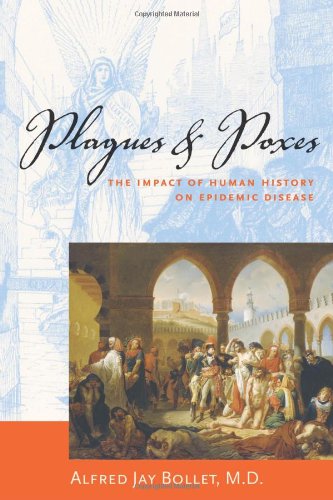
Plagues Poxes The Impact of Human History on Epidemic Disease 2nd Edition by Alfred J Bollet ISBN 1934559385 9781934559383


Original price was: $50.00.$35.00Current price is: $35.00.
Plagues Poxes The Impact of Human History on Epidemic Disease 2nd Edition by Alfred J. Bollet – Ebook PDF Instant Download/Delivery: 1934559385, 9781934559383
Full download Plagues Poxes The Impact of Human History on Epidemic Disease 2nd Edition after payment
Product details:
ISBN 10: 1934559385
ISBN 13: 9781934559383
Author: Alfred J. Bollet
Since publication of the initial version of Plagues & Poxes in 1987, which had the optimistic subtitle “The Rise and Fall of Epidemic Disease,” the rise of new diseases such as AIDS and the deliberate modification and weaponization of diseases such as anthrax have changed the way we perceive infectious disease.
With major modifications to deal with this new reality, the acclaimed author of Civil War Medicine: Challenges and Triumphs has updated and revised this series of essays about changing disease patterns in history and some of the key events and people involved in them. It deals with the history of major outbreaks of disease – both infectious diseases such as plague and smallpox and noninfectious diseases – and shows how they are in many cases caused inadvertently by human actions, including warfare, commercial travel, social adaptations, and dietary modifications. To these must now be added discussion of the intentional spreading of disease by acts of bioterrorism, and the history and knowledge of those diseases that are thought to be potential candidates for intentional spread by bioterrorists.
Among the many topics discussed are:
- How the spread of smallpox and measles among previously unexposed populations in the Americas, the introduction of malaria and yellow fever from Africa via the importation of slaves into the Western hemisphere, and the importation of syphilis to Europe all are related to the modern interchange of diseases such as AIDS.
- How the ever-larger populations in the cities of Europe and North America gave rise to “crowd diseases” such as polio by permitting the existence of sufficient numbers of non-immune people in sufficient numbers to keep the diseases from dying out.
How the domestication of animals allowed diseases of animals to affect humans, or perhaps become genetically modified to become epidemic human diseases.
- Why the concept of deficiency diseases was not understood before the early twentieth century; disease, after all, was the presence of something abnormal, how could it be due to the absence of something? In fact, the first epidemic disease in human history probably was iron deficiency anemia.
- How changes in the availability and nature of specific foods have affected the size of population groups and their health throughout history. The introduction of potatoes to Ireland and corn to Europe, and the relationship between the modern technique of rice milling and beriberi, all illustrate the fragile nutritional state that results when any single vegetable crop is the main source of food.
- Why biological warfare is not a new phenomenon. There have been attempts to intentionally cause epidemic disease almost since the dawn of recorded history, including the contamination of wells and other water sources of armies and civilian populations; of course, the spread of smallpox to Native Americans during the French and Indian War is known to every schoolchild. With our increased technology, it is not surprising that we now have to deal with problems such as weaponized spores of anthrax.
Table of contents:
Part 1: Bubonic Plague
1. Bubonic Plague: The Prototype of Pandemic Disasters
Part 2: “Little Flies” That Brought Death
2. The “Little Flies” That Brought Death, Part 1: Malaria or the Burning Ague
3. The “Little Flies” That Brought Death, Part 2: Yellow Fever
Part 3: Major Infectious Diseases
4. Syphilis: The Great Pox
5. Smallpox
6. Cholera and the Worldwide Plagues of the Nineteenth Century
7. The Great Influenza Pandemic of 1918–1919: President Woodrow Wilson and the Blitzkatarrh
8. Poliomyelitis: Why Did Franklin Delano Roosevelt Get Infantile Paralysis as an Adult?
9. Beriberi: An Epidemic Affecting Rice-Eaters
10. The Pellagra Epidemics: The Three M’s Produce the Four D’s
11. Scurvy: The Purpura Nautica
Part 4: Lifestyle-Linked Epidemics
12. Dying for a Cigar? How About a Cigarette?: Smoking and Epidemic Cancer: A Story of Two Presidents and a Prince
13. Rickets: The English Disease
14. Gout: The Disease of Good Living
Part 5: Bioterrorism and Foodborne Threats
15. Anthrax: From Woolsorter’s Disease to Terrorism
16. Botulism: From Bad Food to Terrorism
Part 6: Emerging Epidemics
17. The SARS Epidemic: A New Disease Retraces the Experience with Older Diseases
People also search for:
bubonic plague positive effects
bubonic plague health impacts
black plague positive effects
human health effects of the plague
effects of the plague on population
Tags: Alfred J Bollet, Plagues, Poxes, Epidemic Disease, Human History