

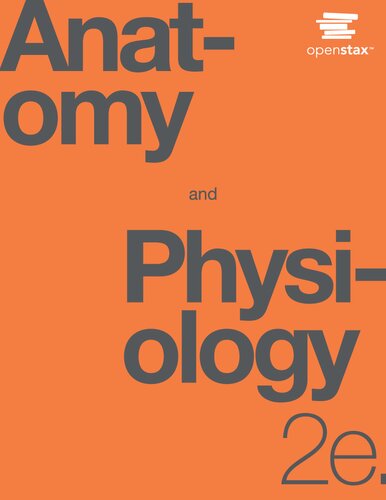
Anatomy and physiology 2nd Edition by Openstax ISBN 1951693426 9781951693428
Original price was: $50.00.$35.00Current price is: $35.00.
Anatomy and physiology 2nd Edition by Openstax – Ebook PDF Instant Download/Delivery: 1951693426, 9781951693428
Full download Anatomy and physiology 2nd Edition after payment
Product details:
ISBN 10: 1951693426
ISBN 13: 9781951693428
Author: Openstax
Table of contents:
Chapter 1: An Introduction to the Human Body
-
Introduction
-
1.1 Overview of Anatomy and Physiology
-
1.2 Structural Organization of the Human Body
-
1.3 Functions of Human Life
-
1.4 Requirements for Human Life
-
1.5 Homeostasis
-
1.6 Anatomical Terminology
-
1.7 Medical Imaging
-
Key Terms
-
Chapter Review
-
Interactive Link Questions
-
Review Questions
-
Critical Thinking Questions
Chapter 2: The Chemical Level of Organization
-
Introduction
-
2.1 Elements and Atoms: The Building Blocks of Matter
-
2.2 Chemical Bonds
-
2.3 Chemical Reactions
-
2.4 Inorganic Compounds Essential to Human Functioning
-
2.5 Organic Compounds Essential to Human Functioning
-
Key Terms
-
Chapter Review
-
Interactive Link Questions
-
Review Questions
-
Critical Thinking Questions
Chapter 3: The Cellular Level of Organization
-
Introduction
-
3.1 The Cell Membrane
-
3.2 The Cytoplasm and Cellular Organelles
-
3.3 The Nucleus and DNA Replication
-
3.4 Protein Synthesis
-
3.5 Cell Growth and Division
-
3.6 Cellular Differentiation
-
Key Terms
-
Chapter Review
-
Interactive Link Questions
-
Review Questions
-
Critical Thinking Questions
Chapter 4: The Tissue Level of Organization
-
Introduction
-
4.1 Types of Tissues
-
4.2 Epithelial Tissue
-
4.3 Connective Tissue Supports and Protects
-
4.4 Muscle Tissue and Motion
-
4.5 Nervous Tissue Mediates Perception and Response
-
4.6 Tissue Injury and Aging
-
Key Terms
-
Chapter Review
-
Interactive Link Questions
-
Review Questions
-
Critical Thinking Questions
Chapter 5: The Integumentary System
-
Introduction
-
5.1 Layers of the Skin
-
5.2 Accessory Structures of the Skin
-
5.3 Functions of the Integumentary System
-
5.4 Diseases, Disorders, and Injuries of the Integumentary System
-
Key Terms
-
Chapter Review
-
Interactive Link Questions
-
Review Questions
-
Critical Thinking Questions
Chapter 6: Bone Tissue and the Skeletal System
-
Introduction
-
6.1 The Functions of the Skeletal System
-
6.2 Bone Classification
-
6.3 Bone Structure
-
6.4 Bone Formation and Development
-
6.5 Fractures: Bone Repair
-
6.6 Exercise, Nutrition, Hormones, and Bone Tissue
-
6.7 Calcium Homeostasis: Interactions of the Skeletal System and Other Organ Systems
-
Key Terms
-
Chapter Review
-
Review Questions
-
Critical Thinking Questions
Chapter 7: Axial Skeleton
-
Introduction
-
7.1 Divisions of the Skeletal System
-
7.2 The Skull
-
7.3 The Vertebral Column
-
7.4 The Thoracic Cage
-
7.5 Embryonic Development of the Axial Skeleton
-
Key Terms
-
Chapter Review
-
Interactive Link Questions
-
Review Questions
-
Critical Thinking Questions
Chapter 8: The Appendicular Skeleton
-
Introduction
-
8.1 The Pectoral Girdle
-
8.2 Bones of the Upper Limb
-
8.3 The Pelvic Girdle and Pelvis
-
8.4 Bones of the Lower Limb
-
8.5 Development of the Appendicular Skeleton
-
Key Terms
-
Chapter Review
-
Interactive Link Questions
-
Review Questions
-
Critical Thinking Questions
Chapter 9: Joints
-
Introduction
-
9.1 Classification of Joints
-
9.2 Fibrous Joints
-
9.3 Cartilaginous Joints
-
9.4 Synovial Joints
-
9.5 Types of Body Movements
-
9.6 Anatomy of Selected Synovial Joints
-
9.7 Development of Joints
-
Key Terms
-
Chapter Review
-
Interactive Link Questions
-
Review Questions
-
Critical Thinking Questions
Chapter 10: Muscle Tissue
-
Introduction
-
10.1 Overview of Muscle Tissues
-
10.2 Skeletal Muscle
-
10.3 Muscle Fiber Contraction and Relaxation
-
10.4 Nervous System Control of Muscle Tension
-
10.5 Types of Muscle Fibers
-
10.6 Exercise and Muscle Performance
-
10.7 Cardiac Muscle Tissue
-
10.8 Smooth Muscle
-
10.9 Development and Regeneration of Muscle Tissue
-
Key Terms
-
Chapter Review
-
Interactive Link Questions
-
Review Questions
-
Critical Thinking Questions
Chapter 11: The Muscular System
-
Introduction
-
11.1 Interactions of Skeletal Muscles, Their Fascicle Arrangement, and Their Lever Systems
-
11.2 Naming Skeletal Muscles
-
11.3 Axial Muscles of the Head, Neck, and Back
-
11.4 Axial Muscles of the Abdominal Wall, and Thorax
-
11.5 Muscles of the Pectoral Girdle and Upper Limbs
-
11.6 Appendicular Muscles of the Pelvic Girdle and Lower Limbs
-
Key Terms
-
Chapter Review
-
Review Questions
-
Critical Thinking Questions
Chapter 12: The Nervous System and Nervous Tissue
-
Introduction
-
12.1 Basic Structure and Function of the Nervous System
-
12.2 Nervous Tissue
-
12.3 The Function of Nervous Tissue
-
12.4 The Action Potential
-
12.5 Communication Between Neurons
-
Key Terms
-
Chapter Review
-
Interactive Link Questions
-
Review Questions
-
Critical Thinking Questions
Chapter 13: Anatomy of the Nervous System
-
Introduction
-
13.1 The Embryologic Perspective
-
13.2 The Central Nervous System
-
13.3 Circulation and the Central Nervous System
-
13.4 The Peripheral Nervous System
-
Key Terms
-
Chapter Review
-
Interactive Link Questions
-
Review Questions
-
Critical Thinking Questions
Chapter 14: The Somatic Nervous System
-
Introduction
-
14.1 Sensory Perception
-
14.2 Central Processing
-
14.3 Motor Responses
-
Key Terms
-
Chapter Review
-
Interactive Link Questions
-
Review Questions
-
Critical Thinking Questions
Chapter 15: The Autonomic Nervous System
-
Introduction
-
15.1 Divisions of the Autonomic Nervous System
-
15.2 Autonomic Reflexes and Homeostasis
-
15.3 Central Control
-
15.4 Drugs that Affect the Autonomic System
-
Key Terms
-
Chapter Review
-
Interactive Link Questions
-
Review Questions
-
Critical Thinking Questions
Chapter 16: The Neurological Exam
-
Introduction
-
16.1 Overview of the Neurological Exam
-
16.2 The Mental Status Exam
-
16.3 The Cranial Nerve Exam
-
16.4 The Sensory and Motor Exams
-
16.5 The Coordination and Gait Exams
-
Key Terms
-
Chapter Review
-
Interactive Link Questions
-
Review Questions
-
Critical Thinking Questions
Chapter 17: The Endocrine System
-
Introduction
-
17.1 An Overview of the Endocrine System
-
17.2 Hormones
-
17.3 The Pituitary Gland and Hypothalamus
-
17.4 The Thyroid Gland
-
17.5 The Parathyroid Glands
-
17.6 The Adrenal Glands
-
17.7 The Pineal Gland
-
17.8 Gonadal and Placental Hormones
-
17.9 The Endocrine Pancreas
-
17.10 Organs with Secondary Endocrine Functions
-
17.11 Development and Aging of the Endocrine System
-
Key Terms
-
Chapter Review
-
Interactive Link Questions
-
Review Questions
-
Critical Thinking Questions
Chapter 18: The Cardiovascular System: Blood
-
Introduction
-
18.1 An Overview of Blood
-
18.2 Production of the Formed Elements
-
18.3 Erythrocytes
-
18.4 Leukocytes and Platelets
-
18.5 Hemostasis
-
18.6 Blood Typing
-
Key Terms
-
Chapter Review
-
Interactive Link Questions
-
Review Questions
-
Critical Thinking Questions
Chapter 19: The Cardiovascular System: The Heart
-
Introduction
-
19.1 Heart Anatomy
-
19.2 Cardiac Muscle and Electrical Activity
-
19.3 Cardiac Cycle
-
19.4 Cardiac Physiology
-
19.5 Development of the Heart
-
Key Terms
-
Chapter Review
-
Interactive Link Questions
-
Review Questions
-
Critical Thinking Questions
Chapter 20: The Cardiovascular System: Blood Vessels and Circulation
-
Introduction
-
20.1 Structure and Function of Blood Vessels
-
20.2 Blood Flow, Blood Pressure, and Resistance
-
20.3 Capillary Exchange
-
20.4 Homeostatic Regulation of the Vascular System
-
20.5 Circulatory Pathways
-
20.6 Development of Blood Vessels and Fetal Circulation
-
Key Terms
-
Chapter Review
-
Interactive Link Questions
-
Review Questions
-
Critical Thinking Questions
Chapter 21: The Lymphatic and Immune System
-
Introduction
-
21.1 Anatomy of the Lymphatic and Immune Systems
-
21.2 Barrier Defenses and the Innate Immune Response
-
21.3 The Adaptive Immune Response: T lymphocytes and Their Functional Types
-
21.4 The Adaptive Immune Response: B-lymphocytes and Antibodies
-
21.5 The Immune Response against Pathogens
-
21.6 Diseases Associated with Depressed or Overactive Immune Responses
-
21.7 Transplantation and Cancer Immunology
-
Key Terms
-
Chapter Review
-
Interactive Link Questions
-
Review Questions
-
Critical Thinking Questions
Chapter 22: The Respiratory System
-
Introduction
-
22.1 Organs and Structures of the Respiratory System
-
22.2 The Lungs
-
22.3 The Process of Breathing
-
22.4 Gas Exchange
-
22.5 Transport of Gases
-
22.6 Modifications in Respiratory Functions
-
22.7 Embryonic Development of the Respiratory System
-
Key Terms
-
Chapter Review
-
Interactive Link Questions
-
Review Questions
-
Critical Thinking Questions
Chapter 23: The Digestive System
-
Introduction
-
23.1 Overview of the Digestive System
-
23.2 Digestive System Processes and Regulation
-
23.3 The Mouth, Pharynx, and Esophagus
-
23.4 The Stomach
-
23.5 The Small and Large Intestines
-
23.6 Accessory Organs in Digestion: The Liver, Pancreas, and Gallbladder
-
23.7 Chemical Digestion and Absorption: A Closer Look
-
Key Terms
-
Chapter Review
-
Interactive Link Questions
-
Review Questions
-
Critical Thinking Questions
Chapter 24: Metabolism and Nutrition
-
Introduction
-
24.1 Overview of Metabolic Reactions
-
24.2 Carbohydrate Metabolism
-
24.3 Lipid Metabolism
-
24.4 Protein Metabolism
-
24.5 Metabolic States of the Body
-
24.6 Energy and Heat Balance
-
24.7 Nutrition and Diet
-
Key Terms
-
Chapter Review
-
Review Questions
-
Critical Thinking Questions
Chapter 25: The Urinary System
-
Introduction
-
25.1 Physical Characteristics of Urine
-
25.2 Gross Anatomy of Urine Transport
-
25.3 Gross Anatomy of the Kidney
-
25.4 Microscopic Anatomy of the Kidney
-
25.5 Physiology of Urine Formation
-
25.6 Tubular Reabsorption
-
25.7 Regulation of Renal Blood Flow
-
25.8 Endocrine Regulation of Kidney Function
-
25.9 Regulation of Fluid Volume and Composition
-
25.10 The Urinary System and Homeostasis
-
Key Terms
-
Chapter Review
-
Review Questions
-
Critical Thinking Questions
Chapter 26: Fluid, Electrolyte, and Acid-Base Balance
-
Introduction
-
26.1 Body Fluids and Fluid Compartments
-
26.2 Water Balance
-
26.3 Electrolyte Balance
-
26.4 Acid-Base Balance
-
26.5 Disorders of Acid-Base Balance
-
Key Terms
-
Chapter Review
-
Interactive Link Questions
-
Review Questions
-
Critical Thinking Questions
Chapter 27: The Reproductive System
-
Introduction
-
27.1 Anatomy and Physiology of the Testicular Reproductive System
-
27.2 Anatomy and Physiology of the Ovarian Reproductive System
-
27.3 Development of the Male and Female Reproductive Systems
-
Key Terms
-
Chapter Review
-
Interactive Link Questions
-
Review Questions
-
Critical Thinking Questions
Chapter 28: Development and Inheritance
-
Introduction
-
28.1 Fertilization
-
28.2 Embryonic Development
-
28.3 Fetal Development
-
28.4 Changes During Pregnancy, Labor, and Birth
-
28.5 Adjustments of the Infant at Birth and Postnatal Stages
-
28.6 Lactation
-
28.7 Patterns of Inheritance
-
Key Terms
-
Chapter Review
-
Interactive Link Questions
-
Review Questions
-
Critical Thinking Questions
-
References
People also search for:
human anatomy and physiology
ross and wilson anatomy and physiology
human anatomy and physiology pdf notes
define anatomy and physiology
difference between anatomy and physiology
Tags: Openstax, Anatomy, Physiology