

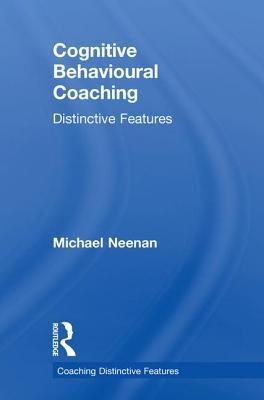
Cognitive Behavioural Coaching Distinctive Features 1st Edition by Michael Neenan ISBN 0815393423 9780815393429


Original price was: $50.00.$35.00Current price is: $35.00.
Cognitive Behavioural Coaching Distinctive Features 1st Edition by Michael Neenan – Ebook PDF Instant Download/Delivery: 0815393423, 9780815393429
Full download Cognitive Behavioural Coaching Distinctive Features 1st Edition after payment
Product details:
ISBN 10: 0815393423
ISBN 13: 9780815393429
Author: Michael Neenan
Michael Neenan clearly and accessibly introduces the 30 Distinctive Features of cognitive behavioural coaching (CBC), an approach which applies the principles of CBT to coaching. Cognitive Behavioural Coaching: Distinctive Features sets out the key theoretical and practical features of CBT and discusses how they integrate into the generic model of coaching. The book covers the four key elements in developing a coaching relationship, provides psychological and practical problem-solving models, shows how to deal with stuck points in coaching and identifies which individuals are unsuitable for CBC. As well as providing research evidence to support the effectiveness of CBC, the book demonstrates the smooth transition of CBT into CBC, and coach–coachee dialogues are interspersed throughout the text to show CBC in action. Cognitive Behavioural Coaching: Distinctive Features will be particularly useful to CBT therapists interested in adding coaching to their practice. It will also appeal to coaches in practice and in training and other professionals in coaching roles seeking an effective and straightforward coaching model.
Table of contents:
Cognitive Behavioural Coaching
Coaching Distinctive Features
Title Page
Copyright
Contents
List of Tables
Introduction: From CBT to CBC
Part I Cognitive Behavioural Theory
1 Eliciting Meaning
2 Distorted Information Processing
3 Levels of Thought
4 Thoughts, Feelings, Behaviour, Physiology and the Situation are Interconnected
5 A Continuum of Emotional Reactions
6 Emotions have a Specific Cognitive Content
7 Cognitive Vulnerability
8 Our Thoughts and Beliefs are Both Knowable and Accessible
9 Maintenance of Problems
10 A Strong Commitment to Scientific Empiricism
11 The Law of Parsimony
Part II Cognitive Behavioural Practice
12 The Coaching Relationship
13 Assessment and Case Conceptualization
14 Structuring the Coaching Session
15 Establishing Goals
16 Teaching the Cognitive Model
17 Two Key Attributes of Psychological Health
17.1 Self-Acceptance
17.2 High Frustration Tolerance
18 Action Plans
19 Beliefs which Interfere with Carrying Out Extra-Session Tasks
20 Dealing with Psychological Blocks to Change
20.1 Is Your Belief Rigid or Flexible?
20.2 Is Your Belief Realistic or Unrealistic?
20.3 Is Your Belief Helpful or Unhelpful?
20.4 Would you Teach Your Belief to Others?
21 Practical Problem-Solving Model
22 Socratic Questioning
23 Behavioural Experiments
24 Dealing with Deeper Beliefs
25 Mindfulness
26 Resilience
27 The End of Coaching and Beyond
28 Supervision
29 A Coaching Session
30 CBC is Not for Everyone and How it can be Improved for Others
Appendix
References
Index
People also search for:
cognitive behavioural coaching distinctive features
cognitive behavioral coaching
coaching behavior
cognitive behavioral coaching training
a cognitive-behavioral therapist
Tags: Michael Neenan, Cognitive, Behavioural, Coaching, Distinctive Features