

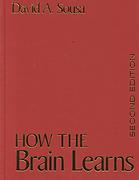
How the brain learns a classroom teacher s guide 2nd Edition David A Sousa ISBN 0761977651 978-0761977650

Original price was: $50.00.$35.00Current price is: $35.00.
How the brain learns a classroom teacher s guide 2nd Edition David A Sousa – Ebook PDF Instant Download/Delivery: 0761977651,978-0761977650
Full download How the brain learns a classroom teacher s guide 2nd Edition after payment
Product details:
ISBN 10: 0761977651
ISBN 13: 978-0761977650
Author: David A Sousa
This powerful bestseller on brain research and education provides practical information that teachers can use in classroom activities and lessons, including basic brain facts that can help students learn, insights on how the brain processes information, and tips on maximizing retention using “down time.”
Table of contents:
PREFACE TO THE THIRD EDITION ABOUT THE AUTHOR INTRODUCTION
Looking Inside the Brain Types of Brain Imaging Implications for Teaching Some Important Findings Why This Book Can Help Improve Teaching and Learning Chapter Contents Who Should Use This Book Try It Yourself?Do Action Research What?s Coming Up?
CHAPTER 1 – Basic Brain Facts Some Exterior Parts of the Brain Lobes of the Brain Motor Cortex and Somatosensory Cortex Some Interior Parts of the Brain Brainstem Limbic System Cerebrum Cerebellum Brain Cells Brain Fuel Neuron Development in Children Windows of Opportunity The Brain as a Novelty Seeker Environmental Factors That Enhance Novelty What?s Coming Up?
CHAPTER 2 – How the Brain Processes Information The Information Processing Model Origin of the Model Usefulness of the Model Limitations of the Model Inadequacy of the Computer Model The Senses Sensory Register Short-Term Memory Long-Term Storage Cognitive Belief System Self-Concept What?s Coming Up?
CHAPTER 3 – Memory, Retention, and Learning How Memory Forms The Temporary Stimulus Forming the Memory Stages and Types of Memory Stages of Memory Types of Memory Emotional Memory Learning and Retention Factors Affecting Retention of Learning Rehearsal Retention During a Learning Episode Implications for Teaching Learning Motor Skills Brain Activity During Motor Skill Acquisition Does Practice Make Perfect? Daily Biological Rhythms Affect Teaching and Learning Circadian Rhythms The Importance of Sleep in Learning and Memory Intelligence and Retrieval Intelligence Retrieval Chunking Forgetting What?s Coming Up?
CHAPTER 4 – The Power of Transfer What Is Transfer? Transfer During Learning Transfer of Learning Teaching for Transfer Factors Affecting Transfer Teaching Methods What?s Coming Up?
CHAPTER 5 – Brain Specialization and Learning Brain Lateralization Left and Right Hemisphere Processing (Laterality) Hemispheric Preference: A Question of Learning Style The Gender Connection Schools and Hemispheric Preference Spoken Language Specialization Learning Spoken Language Learning a Second Language Learning to Read Is Reading a Natural Ability? Neural Systems Involved in Reading Skills Involved in Reading Problems in Learning to Read Implications for Teaching Reading What?s Coming Up?
CHAPTER 6 – The Brain and the Arts The Arts Are Basic to the Human Experience Why Teach the Arts? The Arts and the Young Brain The Arts Develop Cognitive Growth The Sciences Need the Arts Impact of the Arts on Student Learning and Behavior Arts Education and Arts Integration Music Is Music Inborn? Effects of Listening to Music Versus Creating Instrumental Music Creating Music Benefits of Creating Music Does Creating Music Affect Ability in Other Subjects The Visual Arts Imagery Movement Movement and the Brain Implications for Schools What?s Coming Up?
CHAPTER 7 – Thinking Skills and Learning Characteristics of Human Thinking Types of Thinking Thinking as a Representational System Thinking and Emotion The Dimensions of Human Thinking Designing Models Are We Teaching Thinking Skills? Modeling Thinking Skills in the Classroom Revisiting Bloom?s Taxonomy of the Cognitive Domain Why This Model? The Model?s Structure and Revision Important Characteristics of the Revised Model Testing Your Understanding of the Taxonomy The Taxonomy and the Dimensions of Thinking The Critical Difference Between Complexity and Difficulty Curriculum Changes to Accommodate the Taxonomy What?s Coming Up?
CHAPTER 8 – Putting It All Together: Planning for Today and Tomorrow Daily Planning General Guidelines Daily Lesson Design Twenty-One Questions to Ask During Lesson Planning Unit Planning Teacher?s Work Sample Maintaining Skills for the Future The Building Principal?s Role Types of Support Systems Conclusion GLOSSARY REFERENCES RESOURCES INDEX
People also search for:
how the brain learns
how the brain learns to read
solo thinking is consistent with how the brain learns
how the brain learns david sousa pdf
how the brain learns pdf
Tags: David A Sousa, How the brain learns a classroom teacher s guide, teacher s guide