

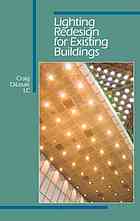
Lighting redesign for existing buildings 1st Edition by Craig Dilouie 9788770222723 877022272X

Original price was: $50.00.$35.00Current price is: $35.00.
Lighting redesign for existing buildings 1st Edition by Craig Dilouie – Ebook PDF Instant Download/Delivery: 9788770222723, 877022272X
Full download Lighting redesign for existing buildings 1st Edition after payment
Product details:
ISBN 10: 877022272X
ISBN 13: 9788770222723
Author: Craig Dilouie
In Lighting Redesign for Existing Buildings, veteran journalist and educator Craig DiLouie identifies opportunities to both save energy and improve lighting performance in existing buildings. The book outlines the decision-making process behind whether to retrofit or redesign an existing lighting system, describes basic lighting design techniques and how to evaluate lighting equipment, details lighting legislation and energy codes, identifies advanced lighting strategies, and describes the role planned maintenance can play in saving energy and ensuring long-term performance. Readers will gain in-depth insight into assessing and capturing their opportunities with better lighting.
Lighting redesign for existing buildings 1st Table of contents:
Acknowledgments
Introduction
Chapter 1—Retrofit or Relight?
Advanced Lighting for Saving Energy
Energy-saving Lighting Opportunities
Lighting in Older Buildings
Landlords and Tenants
Lighting Upgrades in Newer Buildings
Advanced Lighting for People
Relight or Retrofit?
The Building Survey: Scouting for Opportunity
Data Collection
Area-by-Area Survey
Determining Lighting Hours
Occupancy Survey
Survey Tools
Chapter 2—An Introduction To Light
What Is Light
Good Task Visibility and Performance
Formula for Task Visibility
The Critical Role of Luminance
Other Considerations
Maximizing Visual Comfort
Tired Eyes and Uniformity
The Types of Glare
Rendering Colors and Skin Tones
Color Tone
Color Trendering
Specifying Color Quality
A Few Words of Caution on Color
Chapter 3—Lighting Design
Design Matters
The “Who” of Lighting
The Emotional Environment
Placing the Light
The Case for Wall Lighting
Quantity of Light
Concept, Then Design
Lighting Techniques
Task Lighting
Accent
Downlighting
Wall Washing and Grazing
Cove Lighting
Uplighting
Silhouetting
Sparkle and Glitter
Architectural Integration
Light and Shadow
The Role of Surfaces in Lighting Efficiency
Impact of Daylight
Access to a View
Benefits of Daylight
Integration with Electric Lighting
Energy-Efficient Lighting Design Ideas
Education: Integrated Classroom Lighting System
Office: ASHRAE Advanced Energy Design Guides
Office: Task/Ambient lighting design with Led task lighting
Office and Retail: Doe Commercial Lighting Solutions Webtool
Demand-Responsive Lighting
Chapter 4—Legislation and Codes
The Law on Lighting
Energy Policy Act of 2005 Sets New Ballast Efficiency Standards
Energy Policy Act of 2005 Eliminates Most Mercury Vapor Ballasts
Energy Independence and Security Act of 2007 to Phase Out General-Service Incandescents
Energy Independence and Security Act of 2007 Eliminates Many Incandescent Reflector Lamps
Are CFLs Net Producers of Mercury?
Energy Independence and Security Act of 2007 Eliminates Probe-start Metal Halide Luminaires
California Title 20 Mandates Higher Efficiency for Metal Halide Luminaires
Department of Energy Rules to Impact General-Service Fluorescent Lamps
Department of Energy Rules to Impact Incandescent Reflector Lamps
New York City: Largest Buildings Must Upgrade Their Lighting
Commercial Buildings Tax Deduction Extended to 2013
Energy Codes
Effect of LEED on State Energy Code Requirements
Energy Codes and Existing Buildings
What’s New for Lighting in IECC 2009?
What’s New for Lighting in ASHRAE 90.1-2004?
What’s New for Lighting in ASHRAE 90.1-2007?
Lighting and LEED 2009
Energy Performance
Light Controllability
Light Pollution
Mercury Content in Lamps
Caveat Emptor
Green Building Codes
Chapter 5—Evaluating Lighting Equipment
Evaluating Light Sources
What is the Distribution of the Light?
How Long Does The Lamp Last?
How Much Light Does It Produce?
How Much Electrical Energy Does the System Require?
How Efficient is It Compared to Others?
How Well Does The Light Source Render Colors?
Evaluating Luminaires
Luminaire Efficiency
Luminaire Distribution
Photometric Reports
Evaluating Lighting Controls
Automatic Shutoff Controls
Daylight Harvesting
Architectural Dimming
Personal Control
A Role for Control in Lighting Upgrades
Solid-State Lighting: LEDs
How are LEDs Different than Traditional Sources?
LED Modules
Interior LED Luminaires
Outdoor LED luminaires
Omnidirectional LED Replacement Lamps
Directional LED Replacement Lamps
T8 LED Replacement Lamps
Understanding LED Service Life
Lighting Controls and LED Lighting
LEDs: Taming The Wild, Wild West
Standard Performance Testing
ENERGY STAR for Luminaires
ENERGY STAR for Replacement Lamps
Lighting Facts Labeling
Next Generation Luminaires Design Competition
EMerge Standard Sets the Stage for LED Buildings
Chapter 6—Lighting Maintenance
Planned Lighting Maintenance
Luminaire Cleaning
Group Relamping
Applications
Maintenance As Energy-Saving Lighting Strategy
The Planned Maintenance Policy
Maintenance Intervals
Equipment Selection
Lighting Disposal
Lamps
Disposal methods
Collection And Transportation
PCB Ballasts
Commissioning Lighting and Control Systems
Design Intent
System Activation
Installation Verification
Performance Testing
Owner Notification
Appendix Resources
Energy Codes
Light + Design
Commercial Buildings Tax Deduction
Lamp Recycling
Architectural Lighting Magazine
Lighting Blog
Controls and Code
Architectural SSL Magazine
Lighting Directory
Learning to See
Lighting Classes
Electricity Prices
Daylighting Studies
Energy Star
Next Generation Luminaires Competition
Dali By Design
Lighting Design Lab
SSL Quality Advocates
Advanced Lighting Guidelines
Commercial Lighting Solutions
Advanced Energy Design Guides
International Dark Sky Association
People also search for Lighting redesign for existing buildings 1st:
lighting design for commercial building
how to design lighting for a building
building exterior lighting design
lighting design for garage
lighting design examples
Tags:
Lighting redesign,existing buildings,Craig Dilouie