

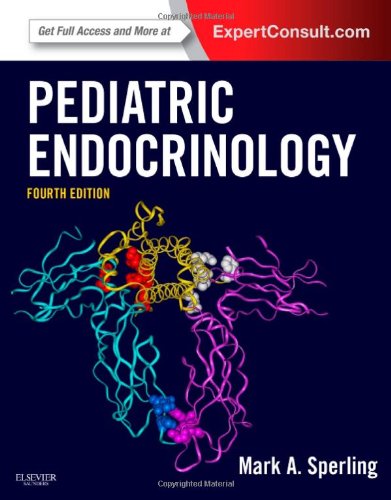
Pediatric Endocrinology 4th Edition by Mark Sperling 9781455748587 1455748587


Original price was: $50.00.$35.00Current price is: $35.00.
Pediatric Endocrinology 4th Edition by Mark Sperling – Ebook PDF Instant Download/Delivery:9781455748587, 1455748587
Full download Pediatric Endocrinology 4th Edition after payment
Product details:
ISBN 10: 1455748587
ISBN 13: 9781455748587
Author: Mark A. Sperling
In a single, convenient volume, Pediatric Endocrinology offers complete coverage of all aspects of basic science and clinical practice, ideal for both pediatricians and endocrinologists. Pediatric endocrinology expert Dr. Mark Sperling teams up with world-renowned authors to bring you up to date with the latest key developments in every area of the field, providing invaluable guidance on how your clinical decision making will be affected by today’s technological and scientific advances.
- Consult this title on your favorite e-reader, conduct rapid searches, and adjust font sizes for optimal readability.
- Determine the best possible course for every patient with easy-to-follow algorithms in every clinical chapter.
- Stay up to date with today’s hottest topics, including neonatal diabetes mellitus, Type II childhood diabetes, molecular endocrinology, and genetics.
- Explore the impact of today’s advances and challenges, including explosive growth in molecular biology, sophisticated imaging techniques, and an increase in both pediatric diabetes and obesity.
- Quickly access the information you need with a new, streamlined organization (Concepts, Endocrine Disorders of the Newborn, Endocrine Disorders of Childhood and Adolescence, and Laboratory Tests and Imaging).
Pediatric Endocrinology 4th Table of contents:
SECTION I. PRINCIPLES AND METHODS OF PEDIATRIC ENDOCRINOLOGY
1. Overview and principles of pediatric endocrinology
-
Historical background
-
Impact of hormonal assays and molecular biology
-
Unique aspects of pediatric endocrinology
-
Evaluating endocrine disorders in infancy and childhood
-
Concluding remarks
-
Questions
-
References
2. Molecular endocrinology and endocrine genetics
-
Introduction
-
Basic molecular tools
-
Detection of mutations in genes
-
Positional genetics in endocrinology
-
Expression studies (microarrays, sage)
-
Chromosome analysis and molecular cytogenetics
-
Molecular basis of pediatric endocrinopathies
-
Principles of interpretation of genetic tests in the diagnosis and management of pediatric endocrine diseases
-
Recombinant DNA technology and therapy of pediatric endocrine diseases
-
Concluding remarks
-
Questions
-
References
3. Receptor transduction pathways mediating hormone action
-
Introduction
-
G protein–coupled receptors
-
Class A, B, C receptors that transduce hormone action
-
G protein gene disorders
-
Cytokine receptors
-
Leptin receptors
-
Receptor tyrosine kinases
-
The insulin receptor
-
The insulin-like growth factor-1 receptor
-
The fibroblast growth factor receptor family
-
Nuclear receptors
-
Subfamilies of nuclear receptors
-
Summary
-
Questions
-
References
4. Laboratory methods in pediatric endocrinology
-
Introduction
-
Hormonal assays
-
Interpretation of test results
-
Clinical validation
-
Summary
-
Questions
-
References
SECTION II. ENDOCRINE DISORDERS IN THE NEONATE
5. Ambiguous genitalia
-
Introduction
-
Talking with the parents
-
Terminology
-
Sex determination
-
Development of the reproductive system
-
Mouse models
-
Disorders of gonadal differentiation
-
Disorders of cholesterol and steroid biosynthesis
-
Maternal hyperandrogenism
-
Disorders of androgen action
-
Mullerian duct abnormalities
-
HOXA genes
-
Microphallus, hypospadias, and cryptorchidism
-
Hypogonadotropic hypogonadism
-
Robinow syndrome
-
Warburg-micro syndrome
-
MAMLD1
-
Environmental disruptors
-
Other disorders
-
Diagnosis
-
Treatment
-
Conclusions
-
Questions
-
References
6. Hypoglycemia in the newborn and infant
-
Introduction
-
Principles of glucose metabolism
-
Physiology of perinatal glucose homeostasis
-
Hormonal and metabolic systems of fasting adaptation
-
Definition of hypoglycemia in neonates and infants
-
Clinical symptoms and signs associated with hypoglycemia
-
Diagnostic approach
-
Classification of causes of persistent hypoglycemia
-
Treatment
-
Conclusions
-
Questions
-
References
7. Disorders of the thyroid in the newborn and infant
-
Introduction
-
Embryology, physiology, and physiopathology
-
Congenital hypothyroidism
-
Congenital hyperthyroidism
-
Disorders of thyroid hormone transport
-
Questions
-
References
8. Disorders of calcium and phosphorus homeostasis in the newborn and infant
-
Calcium, Phosphate, Magnesium
-
Alkaline phosphatase
-
Parathyroid hormone; parathyroid hormone–related protein
-
PTH/PTHRP receptors
-
Calcitonin
-
Vitamin D
-
Skeleton: Cartilage and bone
-
Mineral homeostasis during the life cycle
-
Questions
-
References
9. Neonatal diabetes mellitus
-
Definition
-
Incidence
-
Clinical presentation
-
Classification
-
Permanent neonatal diabetes mellitus (PNDM)
-
Diagnosis and treatment
-
Available resources
-
Transition to oral therapy
-
Future directions
-
Questions
-
References
SECTION III. ENDOCRINE DISORDERS IN CHILDREN AND ADOLESCENTS
10. Disorders of growth hormone/insulin-like growth factor secretion and action
-
Normal growth
-
Measurement
-
Endocrine regulation of growth
-
Growth retardation
-
Treatment of growth disorders
-
Excess growth and tall stature
-
Conclusions
-
Questions
-
References
11. Disorders of the posterior pituitary
-
Introduction
-
Physiology of osmotic and volume regulation
-
Approach to the patient: Differential diagnosis
-
Specific disorders of water metabolism
-
Concluding remarks
-
Questions
-
References
12. Thyroid disorders in children and adolescents
-
Introduction
-
Clinical and biochemical assessment
-
Hypothyroidism
-
Thyroid hormone resistance
-
Hyperthyroidism
-
Other causes
-
Thyroid nodules and thyroid cancer
-
Medullary thyroid carcinoma
-
Synopsis
-
Questions
-
References
13. Adrenal cortex and its disorders
-
History, embryology, and anatomy
-
Steroid hormone synthesis
-
Regulation of steroidogenesis
-
Plasma steroids and their disposal
-
Clinical and laboratory evaluation
-
Genetic lesions
-
Adrenal insufficiency
-
Adrenal excess
-
Glucocorticoid therapy and withdrawal
-
Concluding remarks
-
Questions
-
References
14. Pheochromocytoma and multiple endocrine neoplasia syndromes
-
Introduction
-
Genetic counseling and testing
-
Pheochromocytoma and paraganglioma
-
Biosynthesis and actions of catecholamines
-
Clinical presentation
-
Medullary thyroid carcinoma
-
Hereditary endocrine neoplasia syndromes
-
Summary and future developments
-
Questions
-
References
15. Puberty and its disorders in the female
-
Introduction
-
Development of the female reproductive system
-
Normal sexual maturation
-
Abnormal puberty
-
Future directions
-
Questions
-
References
16. Turner syndrome
-
Historical background
-
Genetics
-
Phenotypic features
-
Questions
-
References
17. Puberty and its disorders in the male
-
Prenatal neurobiology of puberty
-
Testicular differentiation and development
-
The androgen receptor
-
Physiology of puberty
-
Regulation of the timing of puberty
-
Precocious puberty
-
Delayed puberty
-
Evaluation and treatment
-
Conclusion
-
Questions
-
References
18. Disorders of mineral homeostasis in children and adolescents
-
Hypocalcemia, Hypercalcemia
-
Disorders of magnesium metabolism
-
Disorders of skeletal mineralization
-
Osteochondrodysplasias
-
Concluding remarks
-
Questions
-
References
19. Diabetes mellitus
-
Introduction
-
Classification
-
Type 1 & Type 2 diabetes mellitus
-
Treatment and insulin regimens
-
Future advancements
-
Concluding remarks
-
Questions
-
References
20. Autoimmune polyglandular syndromes
-
Introduction
-
Mechanisms of autoimmunity
-
Classification and clinical aspects
-
Diagnostic approach and follow-up
-
Treatment
-
Genetics and autoantibodies
-
Summary
-
Questions
-
References
21. Hypoglycemia in the toddler and child
-
Introduction
-
Physiologic development
-
Symptoms and effects
-
Major causes
-
Diagnosis and emergency treatment
-
Questions
-
References
22. Obesity, metabolic syndrome, and disorders of energy balance
-
Introduction
-
Neuroendocrine regulation
-
Energy excess—obesity
-
Metabolic impact and evaluation
-
Treatment
-
Energy inadequacy
-
Conclusions
-
Questions
-
References
23. Lipid disorders in children and adolescents
-
Introduction
-
Metabolism and hypolipidemias
-
Secondary causes
-
Vascular changes and dyslipidemia
-
Screening, diet, and pharmacologic management
-
Conclusions and future directions
-
Questions
-
References
People also search for Pediatric Endocrinology 4th :
pediatric endocrinology children’s hospital
pediatric endocrinology children’s
pediatric endocrinology guidelines
pediatric endocrinology children’s hospital denver
pediatric endocrinology department
a pediatric endocrinologist
Tags: Mark Sperling, Pediatric, Endocrinology