

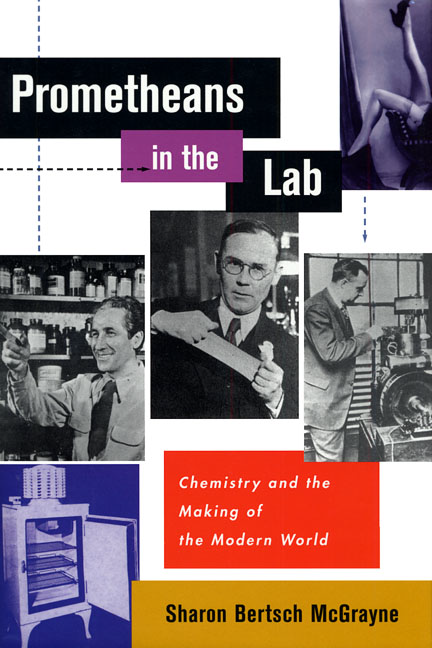
Prometheans in the lab chemistry and the making of the modern world 1st Edition by Sharon Bertsch Mcgrayne ISBN 0071350071 978-0071350075
Original price was: $50.00.$35.00Current price is: $35.00.
Prometheans in the lab chemistry and the making of the modern world 1st Edition by Sharon Bertsch Mcgrayne – Ebook PDF Instant Download/Delivery:0071350071, 978-0071350075
Full download Prometheans in the lab chemistry and the making of the modern world 1st Edition after payment
Product details:
ISBN 10: 0071350071
ISBN 13: 978-0071350075
Author: Sharon Bertsch Mcgrayne
Newton, Darwin, Pasteur, Einstein and other great physicists and biologists are household names, but the great chemists have received little recognition. Yet it could be argued that chemistry, more than any other scientific discipline, has made the modern world possible, largely through products that we take for granted. In the style of the biology classic, The Microbe Hunters, acclaimed science writer Sharon Bertsch McGrayne tells the history of the chemical revolution through the lives of the men who created it. We don’t recognize their names, but their legacy is all around us. Before Nicholas LeBlanc discovered the chemical process for making washing soda in the early 1800s, soap was a highly taxed luxury item, and now it’s something we use many times everyday without a second thought. Without chemical fertilizer there might have been worldwide starvation in the mid 1900s. Even something as simple as affordable dyes, which brought bright colorful clothing to the masses and democratized fashion, is given full attention. An even-handed account, Prometheans in the Lab describes not only the upside of each pivotal discovery, but also the oftentimes devastating unforseen effects they wrought on the environment and public health.
Table of contents:
Key Chemical Contributions and Their Inventors
Soap
Nicolas Leblanc (December 6, 1742 – January 16, 1806)
– Known for: The Leblanc process, an industrial method for producing soda ash (sodium carbonate), a key ingredient in soap making.
Color (Synthetic Dye)
William Henry Perkin (March 12, 1838 – July 14, 1907)
– Known for: Inventing the first synthetic dye, mauveine, which revolutionized the dye industry.
Sugar Refining
Norbert Rillieux (March 17, 1806 – October 8, 1894)
– Known for: Developing a safer and more efficient method for refining sugar using multiple-effect evaporation.
Clean Water
Edward Frankland (February 20, 1825 – August 9, 1899)
– Known for: His work in water chemistry and advocating for clean drinking water standards.
Fertilizer & Poison Gas
Fritz Haber (December 9, 1868 – January 29, 1934)
– Known for: The Haber-Bosch process (synthetic ammonia for fertilizers) and development of chemical weapons in WWI.
Leaded Gasoline & Refrigerants
Thomas Midgley Jr. (May 18, 1889 – November 2, 1944)
– Known for: Introducing tetraethyllead (TEL) in gasoline and chlorofluorocarbons (CFCs) for refrigeration—both later recognized as environmental hazards.
Nylon
Wallace Hume Carothers (April 27, 1896 – April 29, 1937)
– Known for: Inventing nylon, the first synthetic fiber, which had major applications in textiles and WWII equipment.
DDT (Insecticide)
Paul Hermann Müller (January 12, 1899 – October 13, 1965)
– Known for: Discovering the insecticidal properties of DDT, earning him the Nobel Prize in Physiology or Medicine in 1948.
Lead-Free Gasoline
Clair Cameron Patterson (June 2, 1922 – December 5, 1995)
– Known for: Establishing techniques to measure lead levels, ultimately leading the movement to eliminate lead in gasoline.
People also search for:
chemistry lab manager jobs
in this lab how do the metal cations become excited
the labs in this chemistry class use a green approach
high school chemistry lab equipment list
Tags: Sharon Bertsch Mcgrayne, Prometheans, lab chemistry, modern world